Upcoming events
Las Vegas, NV, U.S. December 9-12, 2009 » Orlando, FL, U.S. April 15-17, 2010 »
|
Featured Educational Reference
Anti-Aging Therapeutics, Vol. 11
Proceedings of the Sixteenth World Congress on Anti-Aging Medicine and Regenerative Biomedical Technologies; Spring, Summer and Winter Sessions. Includes Anti-Aging Clinical Protocols 2009-2010.
The American Academy of Anti-Aging Medicine (A4M) is proud to launch Longevity Magazine™. A unique feature of The World Health Network, www.worldhealth.net, the A4M’s educational website, Longevity Magazine™ e-Journal is an electronic publication that provides timely and informative news relating to wellness, prevention, and biotech advancements in longevity. Our mascot is the Galapagos tortoise (Geochelone nigra). A gentle giant that measures six feet head-to-toe and subsists on plants, the Galapagos tortoise boasts the longest animal lifespan, averaging at 150 years and a maximum lifespan of 300 years. American Academy of Anti-Aging Medicine 1510 West Montana St. Chicago IL 60614 1-888-997-0112 1-561-997-0112
|
|
Health Headlines
Lifestyle A Key Approach for Minimizing Risk of Diabetes The American Sleep Crisis Antioxidants May Combat Influenza Virus Exercise Slashes Odds of Early Death from Heart Disease Walnuts Improve Blood Markers of Diabetes Migraine Headaches Double the Risk of Stroke Who’s Who in Anti-Aging: Mitchell J. Ghen, D.O., Ph.D. This week’s featured video: Derailing Dementia |
 |
Diabetes
Lifestyle A Key Approach for Minimizing Risk of Diabetes
In that poor diet, being sedentary, and carrying excess weight are significant risk factors for type 2 diabetes, William C. Knowler and the Diabetes Prevention Program Research Group (US National Institute of Diabetes and Digestive and Kidney Diseases; Maryland, USA) assessed data collected on more than 3,800 men and women who showed impaired glucose tolerance, but not diabetes, in 1996. For a period of 2.8 years, the study participants either participated in an intensive program of diet and exercise, or were assigned to the placebo group.
|
|
 |
Sleep
The American Sleep Crisis
The BRFSS survey, a US-state telephone survey of community-dwelling Americans ages 18 and over, conducted by the US Centers for Disease Control & Prevention (CDC; Georgia, USA), reveals that more than 11% of American adults failed to enjoy a day in the previous month where they got enough sleep. In total, only 30.7% of survey respondents say they got enough sleep every day in the past month.
|
|
 |
Infectious Disease
Antioxidants May Combat Influenza Virus
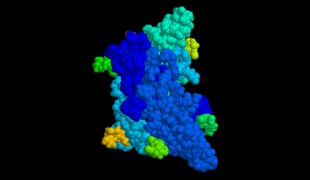
In that liquid buildup in lung tissue as a result of influenza infection can cause permanent damage to the lungs and set the stage for pneumonia and other serious lung problems, Sadis Matalon, from the University of Alabama at Birmingham (Alabama, USA), and colleagues have elucidated the role of the flu virus on the M2 protein and other key proteins present in lung cells. In laboratory models of influenza, the team found that an isolated segment of the M2 protein causes damage to lung protein, and that antioxidant compounds prevented the M2 protein from causing this damage.
|
|
Who’s Who in Anti-Aging and Regenerative Medicine Week of November 12, 2009
Mitchell J. Ghen, D.O., Ph.D. Dr. Mitchell Ghen has been practicing integrative and anti-aging medicine for nearly thirty years. He is currently working with one of the largest plastic surgery groups in the United States. He has co-authored textbooks regarding longevity medicine and compounding pharmaceutics. He has much experience as the medical director of several companies including diagnostic laboratories, nutraceutical companies and compounding pharmacies. Dr. Ghen, as the premier radio talk host in South Florida, interviews guests and answers questions for listeners. He has been fortunate in being able to be part of pioneering much of the clinical stem cell transplantations for various disorders. He presently shares his knowledge with other doctors as one of the principals of Prime LifeMD, which teaches physicians about how to succeed in their anti-aging practices. Dr. Ghen currently teaches the A4M's IV Parenteral Nutrition Workshops, taking place December 9, 2009. Held in conjunction with the Winter 2009 Session of the 17th Annual Wofld Congress on Anti-Aging Medicine & Regenerative Biomedical Technologies, the IV Parenteral Nutrition, Workshop presents the latest protocols for the use of vitamins, minerals, and other intravenous therapies as may help other specific disorders. Learn more about the IV Parenteral Workshop
|
|
 |
Cardio-Vascular
Exercise Slashes Odds of Early Death from Heart Disease
While a routine program of physical exercise has been shown to reduce the risk of premature death in people with coronary artery disease, Richard V. Milani, from the Ochsner Clinic Foundation (Louisiana, USA), and colleagues evaluated the contributing role of psychosocial stress in influencing the effects of exercise training. The team followed 522 cardiac patients, including 53 who had high stress levels and 27 control patients who had high stress levels but who did not engage in cardiac rehabilitation.
|
|
 |
Diabetes
Walnuts Improve Blood Markers of Diabetes
In that previous studies have shown heart benefits of nut consumption, David Katz, from Yale University School of Medicine (Connecticut, USA), and colleagues studied 14 women and 10 men, median age 58 years, with type 2 diabetes, assigning some of them to consume 56 grams of walnuts daily, for 8 weeks. At the conclusion of the study period, the researchers found significant improvements in the function of the blood vessel lining (endothelium), with blood flow improved by 2.2% in the group that consumed walnuts (as compared to 1.2% in the non- supplemented group).
|
|
Research This week’s featured video:
Derailing Dementia
Dementia is the progressive loss and impairment of activities such as memory, behavior, personality, judgment, attention, spatial relations, language, abstract thought, and other intellectual capacities. Alzheimer’s Disease (AD) is the most common form of dementia. More than 26 million people worldwide were estimated to be living with AD in 2006; by 2050, the disease will afflict more than 106 million people. Age is the singlemost greatest risk factor for Alzheimer’s, and the likelihood of developing AD doubles every five years after age 65. A disease of epidemic proportion, it is now critical to elucidate mechanisms that affect the rate of onset and progression of dementia and AD. View this video, which we share to promote awareness during National Alzheimer’s Disease Awareness Month. Learn more about the latest approaches to prevent and treat Alzheimer’s Disease at the Brain Age Workshop.
|
 |
|
 |
Stroke
Migraine Headaches Double the Risk of Stroke
Via a review nine published studies and reviews investigating the association between any migraine or specific migraine subtypes and cardiovascular disease. Markus Schurks, from Brigham and Women’s Hospital (Massachusetts, USA), and colleagues evaluated the association between migraine and cardiovascular disease, including stroke, myocardial infarction, and death due to cardiovascular disease. The researchers determined that migraine is associated with a twofold increased risk of ischaemic stroke, which is only apparent among people who have migraine with aura.
|
|
|